Bethany Script Font: A Practical Guide to Integration and Execution
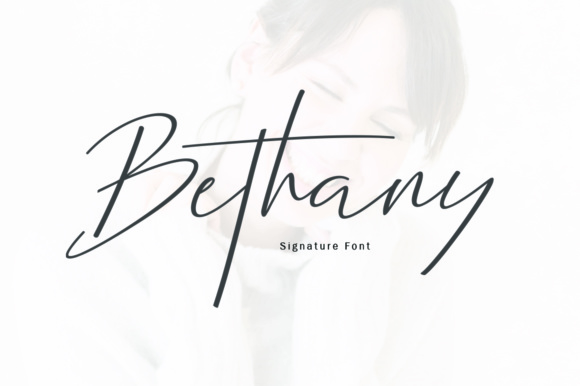
The Bethany Script Font is more than just a typeface; it is a design asset that bridges the gap between digital precision and human warmth. Classified as a modern calligraphy script with a distinct handwriting style, it offers an organic aesthetic that rigid sans-serifs often lack. However, for professionals, creators, and entrepreneurs, simply purchasing a font file is not the end of the workflow—it is the beginning. To truly leverage Bethany Script, one must understand how to integrate it into broader branding strategies, production pipelines, and design systems. This guide explores the practical execution of using this font, moving beyond the initial download to actual implementation across various projects.
Strategic Planning: Where Bethany Script Fits
Before opening your design software, it is essential to identify the role of Bethany Script within your project’s hierarchy. In typography planning, fonts are usually categorized into primary display fonts, secondary sub-headings, and body text. Bethany Script is decidedly a display or accent font. Its looping swashes and fluid strokes are designed to catch the eye, making it perfect for headers, logos, and call-to-action statements, but it loses legibility when used for paragraphs of body copy.
When initiating a project—whether it is a wedding invitation suite, a new product launch, or a social media campaign—the first step is defining the visual tone. If the goal is to evoke elegance, approachability, or a personal touch, Bethany Script becomes a strong candidate. However, it does not exist in a vacuum. It requires a partner. The planning phase should involve selecting a complementary sans-serif or serif font that can handle the heavy lifting of informational text. This pairing strategy ensures that the design remains balanced and functional, allowing the "personality" of Bethany to shine without overwhelming the viewer.
Technical Workflow and Software Compatibility
Once the strategic decision to use Bethany Script is made, the workflow shifts to technical execution. The font is typically distributed in TTF or OTF formats. For most users, installation is a straightforward process of dragging the file into the system font folder or right-clicking to install. However, for teams working in collaborative environments, such as agencies or remote creative collectives, font management is a critical step.
Consistency is key. If a freelancer is designing a logo using Bethany Script in Adobe Illustrator, but the client or the web developer does not have the font installed, the rendering will fail. A practical implementation tip is to outline the text (convert to curves) once the design is finalized. This turns the text into vector shapes, ensuring that the typography looks identical on any machine, regardless of installed fonts. This step is crucial for logo files and print-ready PDFs where font licensing or availability might become an issue down the line.
Integration with Design Platforms
Bethany Script interacts differently with various software environments. In Adobe Photoshop and Illustrator, it behaves as a standard vector font, allowing for infinite scaling. In web development, it can be loaded via CSS @font-face rules, provided the licensing permits web embedding. However, modern workflow often involves cloud-based platforms like Canva, Adobe Express, or Figma.
When using Canva for quick social media production, you must upload the font to your "Brand Kit" (if you have a Pro account) or upload it per design. This creates a workflow bottleneck if you are working on a shared team account. A useful observation is to create a "template" project containing the font already loaded, which other team members can duplicate. This prevents the repetitive task of uploading the font for every new post or story, streamlining the production process for high-volume content creators.
Application Across Project Lifecycle
The versatility of Bethany Script allows it to be utilized at different stages of a project lifecycle. Understanding when to apply it can save time and resources.
Pre-Production: Mood Boarding and Concepting
In the early stages of branding or event planning, Bethany Script can be used on mood boards to establish the emotional direction of the project. Because it mimics handwriting, it instantly suggests a "human-centric" or "artisanal" quality. If a small business owner is launching a line of handmade candles, using Bethany Script during the concepting phase helps stakeholders visualize the final product's premium, personal nature before production costs are incurred.
Production: Asset Creation
During the main production phase—designing the actual assets—efficiency is paramount. Bethany Script is particularly effective for:
- Wedding Invitations: Utilizing the swashes for names while keeping dates in a clean serif.
- Business Cards: Creating a memorable logo lockup where the script adds flair to the owner's name.
- Merchandise: Designing quotes for mugs and posters where the text needs to feel "written" rather than "typed."
A critical workflow tip here involves kerning. Script fonts often require manual kerning (adjusting the space between specific letters) to ensure the connections look natural. Do not rely solely on default spacing. Taking the extra ten minutes to adjust the tracking and kerning in Illustrator or Photoshop ensures a high-quality, professional finish that distinguishes amateur work from expert design.
Post-Production: Quality Control and File Management
After the design is complete, the post-production workflow begins. This includes exporting files for different mediums. For print (magazines, posters), Bethany Script should be embedded in high-resolution PDFs. For digital use (social media, websites), it should be rasterized or converted to web-safe formats.
Organization is the final step. Creating a file structure that separates "Editable Source Files" (where the text is still live and editable) from "Final Assets" (where text is outlined or flattened) is a professional standard. This ensures that if a client requests a change to the wording on a wedding invite months later, the original file is accessible, and the font is preserved within the project folder structure.
Usability and Legibility Considerations
While Bethany Script is beautiful, practical implementation requires a focus on usability. A common pitfall in using calligraphy fonts is prioritizing style over readability. In a workflow context, this means testing your designs at the intended viewing size.
For a poster, Bethany Script might be legible at a distance. For a business card, the text size is small. If the font is used at 8pt size on a card, the delicate swashes may bleed together when printed on standard cardstock. A practical solution is to simplify the usage at smaller scales—perhaps avoiding the initial and terminal swashes (the decorative loops at the beginning and end of words) for smaller text elements, or choosing a weight of the font that is slightly bolder if available.
Furthermore, consider the contrast against the background. A thin, handwritten script can disappear into a busy background image. Implementing a workflow step where you check contrast ratios—perhaps by placing a semi-transparent overlay behind the text or using a drop shadow effect—ensures the message is communicated effectively without sacrificing the aesthetic appeal of the font.
Long-Term Asset Management
For entrepreneurs and freelancers, fonts are assets that require management. When you purchase or download Bethany Script, you are agreeing to a license. This license dictates how you can use the font (personal vs. commercial use, number of users, etc.).
Integrating font license management into your workflow is a necessary administrative task. Keeping a spreadsheet or a folder with proof of purchase and the license terms prevents legal issues later, especially if the brand grows and requires commercial distribution of the font (e.g., on merchandise for sale). Treating Bethany Script not just as a design tool, but as a licensed component of your business infrastructure, is a mark of a mature professional.
Conclusion
Bethany Script Font is a versatile tool that, when integrated correctly, elevates the perceived value of a project. It fits seamlessly into the workflows of designers, event planners, and brand strategists by providing a quick way to inject personality and elegance into digital and print assets. By focusing on the process—from strategic pairing and technical installation to efficient production and rigorous quality control—users can move beyond simply "using a font" to implementing a cohesive design system. The success of using Bethany Script lies not in the font file itself, but in the thoughtful execution of the projects it adorns.