Discovering the Elegance of Loving Font: A Guide to Modern Script Typography
In the vast and dynamic world of typography, fonts are far more than just letters on a screen. They are the voice of a design, the silent ambassadors of a brand's personality, and the emotional core of a message. Among the myriad of styles available, the script font holds a special place, evoking feelings of elegance, personality, and human touch. Today, we delve into a prime example of this art form: the Loving Font. This beautiful and delicate script is not just a collection of characters; it is a versatile tool for modern creators, blending classic calligraphic grace with contemporary clean lines.
What Exactly is the Loving Font?
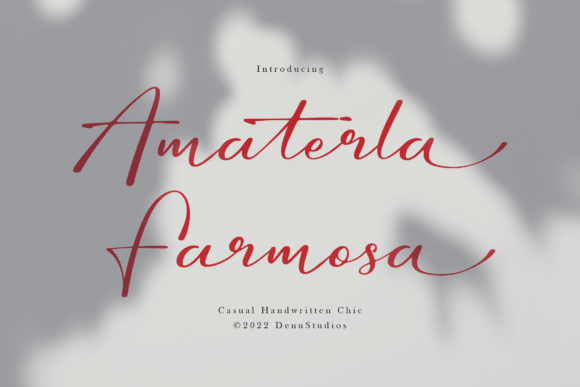
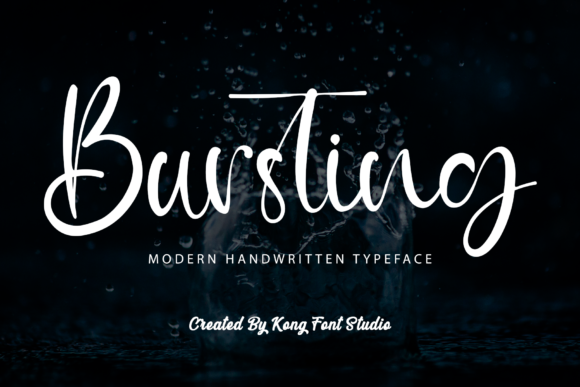
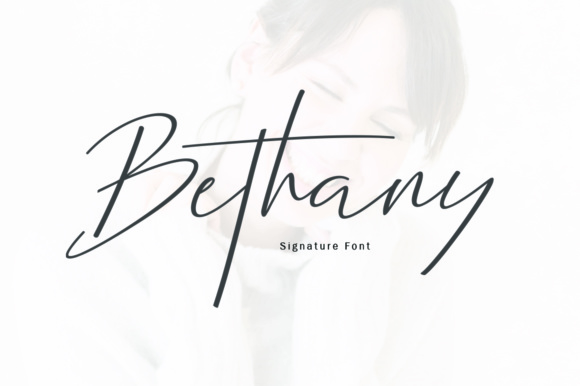
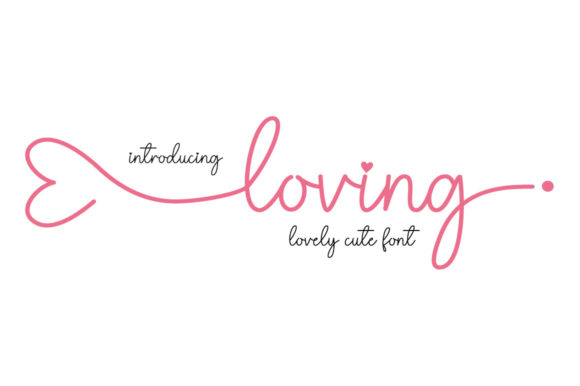
At its core, Loving Font is a modern script typeface. To understand what that means, it helps to know the basic categories of fonts. Serif fonts (like Times New Roman) have small decorative feet, sans-serif fonts (like Helvetica) are clean and minimal, and script fonts mimic cursive handwriting. Loving Font falls into the latter category but with a distinct personality. It is characterized by its flowing, connected letterforms, delicate strokes, and an overall aesthetic that is both classy and elegant. Unlike heavy, bold display fonts, its purpose is to add a layer of sophistication and intimacy to a design.
The term "delicate" is key here. The font's design balances fluidity with readability, ensuring that while it feels handwritten, it never sacrifices clarity for style. This makes it exceptionally versatile. It can feel romantic and personal for a wedding invitation, yet professional and upscale for a luxury brand's logo. This duality is the hallmark of a well-designed modern script font.
The Purpose and Significance of Elegant Script Fonts
Why choose a font like Loving over a simple, straightforward typeface? The answer lies in emotional resonance and brand identity. Typography is a powerful psychological tool. A clean sans-serif font communicates efficiency, modernity, and neutrality. In contrast, a beautiful script font like Loving communicates warmth, creativity, and a personal connection.
Consider the difference between a generic "Happy Birthday" card and one written in elegant cursive. The latter feels more thoughtful, more personal. In a business context, this translates directly to brand perception. A bakery using a script font in its logo immediately feels more artisanal and welcoming than one using a standard block font. A high-end boutique's signage in an elegant script conveys exclusivity and taste. Loving Font is designed to tap into this exact sentiment, making it a strategic choice for projects where building an emotional or aspirational connection with the audience is paramount.
Practical Applications: Where Loving Font Shines
The true value of any design asset is measured by its utility. Loving Font excels in a wide array of practical applications, thanks to its blend of beauty and functionality. Its PUA encoding—a technical feature that allows easy access to all its stylistic characters—makes it a favorite among designers and hobbyists alike.
Branding and Logo Design
A logo is the cornerstone of a brand's visual identity. Using Loving Font can instantly infuse a logo with personality. It is particularly effective for businesses in the beauty, fashion, wedding, jewelry, and gourmet food industries. The font's elegance suggests quality and care, helping a brand stand out in a crowded market.
Wedding and Event Stationery
This is perhaps the most natural fit for a script font. Loving Font is ideal for creating wedding invitations, save-the-dates, programs, menus, and thank-you cards. Its delicate swashes and flowing lines set a romantic and sophisticated tone from the very first moment a guest receives an invitation. It can be used for the main couple's names or for elegant headers throughout the stationery suite.
Digital Media and Marketing
In the realm of social media and digital marketing, capturing attention is everything. Loving Font can be used to create stunning Instagram posts, Facebook graphics, Pinterest pins, and website banners. It is perfect for quotes, special announcements, or product highlights, adding a touch of artistry that makes a post stand out in a fast-scrolling feed. Its modern aesthetic ensures it looks crisp and professional on all screen sizes.
Editorial and Creative Projects
Beyond commercial use, this font is a powerful tool for creatives and educators. It can be used for chapter headings in books, elegant titles in magazines, or decorative elements in digital scrapbooking and art prints. For those creating educational materials or presentations, it can be used sparingly to highlight key points or to add a creative flair to title slides, making content more engaging.
Understanding the Technical Edge: PUA Encoding and Glyphs
A common frustration with script fonts is discovering a beautiful alternate letter or swash in a preview, only to find it inaccessible when you download the font. This is where the technical specification of PUA encoding becomes critically important. PUA stands for Private Use Area, a section of the Unicode standard.
In simple terms, Loving Font is PUA encoded, which means all of its special glyphs and swashes are fully accessible. These are not just decorative extras; they are essential components for achieving professional typographic layouts. Swashes are the elegant, flowing tails that can be added to the beginning or end of words. Alternate glyphs are different versions of a letter (e.g., multiple styles of a lowercase 'b' or 'h').
Accessing these features allows a designer to customize the text precisely, avoiding awkward letter connections and adding the perfect flourish. With a PUA-encoded font, you can typically access these alternates through the Character Map on Windows or the Font Book on macOS, or more seamlessly within professional design software like Adobe Illustrator, Photoshop, or even user-friendly platforms like Canva.
Dispelling Common Misunderstandings About Script Fonts
While fonts like Loving are incredibly useful, there are a few misconceptions worth clarifying to use them effectively.
- Myth: Script fonts are hard to read.
Reality: While overly ornate scripts can be challenging, a well-designed font like Loving prioritizes legibility. The key is context. Use it for short headlines, logos, or accent text, not for long paragraphs of body copy. Its purpose is to accentuate, not to dominate the reading experience. - Myth: All script fonts are formal and old-fashioned.
Reality: Modern script fonts like Loving have evolved. They blend traditional calligraphic techniques with a contemporary, clean aesthetic. This makes them suitable for both classic and modern design projects, from vintage-inspired branding to sleek, minimalist social media graphics. - Myth: You only need one font.
Reality: Effective typography often involves font pairing. Loving Font pairs beautifully with clean sans-serif fonts. For example, using Loving for a main title and a simple sans-serif like Montserrat or Lato for the body text creates a visually appealing hierarchy that is both elegant and easy to read.
Conclusion: More Than Just a Font—A Tool for Connection
In conclusion, Loving Font represents the best of modern script typography. It is a delicate, elegant, and versatile typeface designed to meet the demands of today's creative landscape. From building a memorable brand identity to crafting a heartfelt wedding invitation, its applications are as broad as they are impactful. Its technical robustness, highlighted by full PUA encoding, ensures that creators can unlock its full potential without technical hurdles.
Ultimately, choosing a font is a decision about communication. By selecting Loving Font, you are choosing to communicate with class, elegance, and a personal touch. It is a reminder that in our digital age, the human element—the artistry of a beautifully crafted letter—remains a powerful way to connect, engage, and leave a lasting impression. Whether you are a seasoned designer or a small business owner embarking on your first branding project, understanding and utilizing a tool like this can elevate your work from merely functional to truly memorable.