Why the Mango Dream Font Captures Hearts: A Guide to Its Beauty and Use
In the vast and often overwhelming world of digital typography, finding a font that feels both personal and professional can be a challenge. Many typefaces strive for a handmade look but end up feeling either too chaotic or too sterile. Enter Mango Dream, a handwritten font that has carved out a distinct space for itself among designers, entrepreneurs, and creatives. It is more than just a collection of letters; it is a style statement that bridges the gap between casual charm and timeless elegance.
For anyone looking to add a human touch to their digital work, understanding the nuances of a typeface like Mango Dream is essential. This guide explores the characteristics that make this font a standout choice, examines its practical applications in modern design, and offers insights into how it fits into the broader landscape of visual communication.
Understanding the Anatomy of a "Lovely" Font
Before diving into the specific utility of Mango Dream, it is helpful to understand what makes a handwritten font successful. Typography is not merely about legibility; it is about tone. A font tells the reader how to feel before they have even finished reading the sentence.
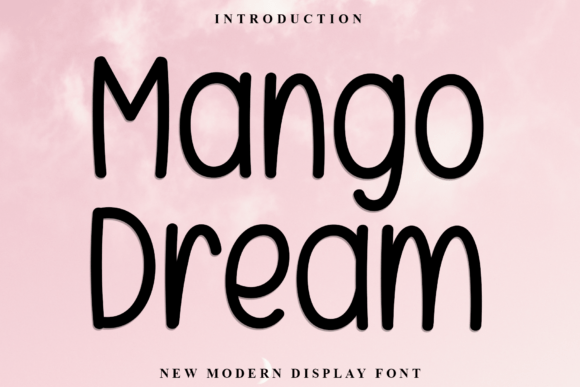
A common misconception is that all handwritten fonts are the same. In reality, they fall into several categories, from grunge styles that look distressed to formal scripts that mimic wedding invitations. Mango Dream sits in a sweet spot often described as "casual elegance." It features flowing connections between letters and a consistent baseline rhythm that prevents it from looking messy.
The Psychology of Handwritten Typography
Why do we gravitate toward fonts like Mango Dream? The answer lies in psychology. In an era dominated by rigid sans-serif fonts used in corporate interfaces, a handwritten script feels intimate. It suggests that a human being crafted the message, not an algorithm. This perception of authenticity is invaluable in branding, where building trust is the primary goal.
The Unique Characteristics of Mango Dream
What sets Mango Dream apart from the thousands of other script fonts available on the market? While the provided description highlights its "unique and beautiful touch," a closer look reveals specific design choices that contribute to its success.
- Organic Flow: The font avoids the rigid uniformity of vector-perfect curves. Instead, it mimics the natural pressure variations of a hand holding a brush or pen. This gives the text a kinetic energy, making static images feel alive.
- Readable Legibility: Many decorative scripts sacrifice readability for style. Mango Dream, however, maintains clear letter separation. This makes it versatile enough for short paragraphs or quotes, not just large headlines.
- Timeless Appeal: Trends in design come and go—think of the "neon glow" phase or the "retro pixel" era. Mango Dream relies on classic calligraphic principles, ensuring that designs created today won't look dated in five years.
Practical Applications: Where Mango Dream Shines
The true test of a typeface is its application in the real world. Because of its balanced nature, Mango Dream is incredibly versatile. It fits seamlessly into both digital and print media, provided it is used with intention.
1. Branding and Logo Design
For small businesses, particularly those in the lifestyle, beauty, or artisan sectors, a logo needs to communicate quality and care. Mango Dream is an excellent choice for this. Its "eye-catching" quality ensures that the brand name stands out, while its elegance conveys a sense of premium value.
For example, a boutique bakery or a handmade candle shop would benefit from this font. It suggests that the products inside are crafted with the same attention to detail as the typography on the packaging. However, designers must be careful to pair it with a simple sans-serif font for body text to maintain balance.
2. Social Media and Content Marketing
In the fast-paced environment of social media platforms like Instagram and Pinterest, visuals are processed in milliseconds. A quote card or a promotional banner needs to stop the user from scrolling. Mango Dream excels here. Its unique letterforms create a strong visual hook.
When used for quotes—which is one of its primary strengths—the font adds emotional weight to the words. A motivational quote feels more inspiring; a love letter feels more tender. It transforms text into a visual illustration.
3. Wedding Stationery and Event Invitations
While digital use is prevalent, the print application of Mango Dream remains significant. For wedding invitations, the font evokes the romance of handwritten notes. It provides a personal touch that formal serif fonts often lack, making the invitation feel like a direct communication from the couple to the guest.
Integrating Mango Dream into Modern Workflows
For the modern designer or business owner, efficiency is key. One of the benefits of using a well-crafted font like Mango Dream is its adaptability across different software environments. Whether you are working in Adobe Illustrator for vector logos, Canva for quick social media graphics, or Procreate for digital illustration, the font behaves predictably.
Pairing Strategies
To use Mango Dream effectively, one must understand font pairing. Because Mango Dream is expressive and decorative, it requires a "quiet" partner. If you pair it with another ornate font, the design will become cluttered and unreadable.
Recommended pairings include:
- Modern Sans-Serifs: Fonts like Montserrat or Lato provide a clean, geometric contrast that highlights the organic nature of Mango Dream.
- Classic Serifs: For a more traditional or literary look, pairing it with a light serif like Garamond can create a sophisticated hierarchy.
Accessibility Considerations
While Mango Dream is beautiful, it is crucial to discuss accessibility. Handwritten fonts can be difficult for individuals with dyslexia or visual impairments to read, particularly in long blocks of text. Best practice dictates that Mango Dream should be reserved for headlines, logos, or short accents. Body text should always remain in a highly legible, standard font to ensure the message is accessible to everyone.
Common Misunderstandings About Decorative Fonts
There is a prevailing assumption among some beginners that "more decoration equals better design." This often leads to the overuse of fonts like Mango Dream. Using a script font for an entire website page, for instance, would be a design error that hinders user experience.
Another misunderstanding is that handwritten fonts are only for "feminine" designs. While Mango Dream has a soft touch, its versatility allows it to be used in various contexts. When set against a dark, industrial background or paired with bold geometric shapes, it can add a necessary touch of humanity to otherwise harsh designs, appealing to a broad audience regardless of gender.
The Significance of "Timelessness" in Digital Design
The digital landscape is plagued by obsolescence. Software updates, changing screen resolutions, and shifting aesthetic trends can make a design feel old very quickly. However, the principles of good typography remain constant.
Mango Dream’s description as a "timeless" font is not just marketing copy; it refers to its foundation in traditional calligraphy. By grounding digital design in these ancient artistic practices, creators can produce work that resonates on a deeper level. It connects the speed of modern technology with the slow, deliberate art of writing by hand.
Conclusion: Bringing Designs to Life
In summary, Mango Dream is more than just a tool for writing words. It is a bridge between the digital and the organic. Its ability to make designs "come alive" stems from its careful balance of beauty, legibility, and emotional resonance.
Whether you are a seasoned graphic designer working on a rebranding project or a small business owner trying to create your first flyer, understanding how to leverage the power of this font is a valuable skill. By respecting its strengths—using it for impact rather than volume—and pairing it thoughtfully, you can harness the timeless charm of Mango Dream to create visuals that truly connect with your audience. It reminds us that even in a digital age, the human touch is the most powerful design element of all.